
Find the right battery.
Skip the guesswork.
Backup power for outages, campsites and job sites — plus the e-bikes and scooters that run on the same chemistry. Power stations, solar, bikes and scooters, compared on published capacity, output and cost per watt-hour, so you can see what actually fits.
Jump to: Bluetti EcoFlow Anker SOLIX Jackery Bluetti vs EcoFlow E-bikes E-scooters
Specs side by side
Capacity, output and cost per watt-hour in one table, not a website per maker
Runtimes, worked out for you
Estimated hours on a fridge, a CPAP or Starlink, worked out from each unit’s published capacity
No sales calls
No quote forms, no signup, and we never pass your details to installers
It’s one system, not three purchases
Generate power, store it, then use it when the grid is expensive or gone. Bluetti, EcoFlow and Anker all sell every piece — which is exactly why they’re easy to oversell you.
Solar
200W of panel → ~0.8kWh on a clear day
Folding panels for a power station, balcony kits that plug into an outlet, or a full DIY array for a cabin or shed.
Where people overspendBuying panels before checking the unit’s solar input limit — plenty accept far less than you’d assume.
Batteries
A day of essentials → 1,500–2,500Wh
A power station holds what the panels make so it’s there after dark. This is where most of the money goes, and where sizing matters most.
Where people overspendSizing a fridge off its 150W running draw instead of the ~60W it actually averages, then buying twice the battery.
Backup & off-grid
4h outage → 400–800Wh · 3 days → 4,500Wh+
Riding out an outage, running an RV or van, keeping Starlink up off-grid, or simply shaving the expensive hours off a bill.
Where people overspendOne huge battery for a multi-day outage with no way to recharge it. Without solar it’s a one-shot device.
Start with what you’re trying to power
The big brands each cover everything from a weekend camp light to a whole house in an outage. The trick is buying the right size.

Portable Power Stations
The core of the site. 300Wh camp batteries up to 2,000Wh units that will carry a fridge through an outage.
Compare power stations →
Home Battery Backup
Expandable systems that tie into your panel and run essential circuits — without a $15,000 install.
Whole-home options →
Solar Generators
Power station plus panels, sold as one bundle. We break down whether the bundle actually saves you money.
See bundles →
Off-Grid & RV
Van builds, cabins and Starlink setups. What each system actually draws, and how long a battery holds it.
Off-grid guides →
Solar Panels & Kits
Folding panels for a power station, and larger arrays for cabins, sheds and off-grid builds.
Compare panels →
Plug-In Solar
Balcony kits that plug into a normal outlet and cut your bill directly. Renter-friendly, growing fast.
Browse plug-in kits →The same math, on two wheels
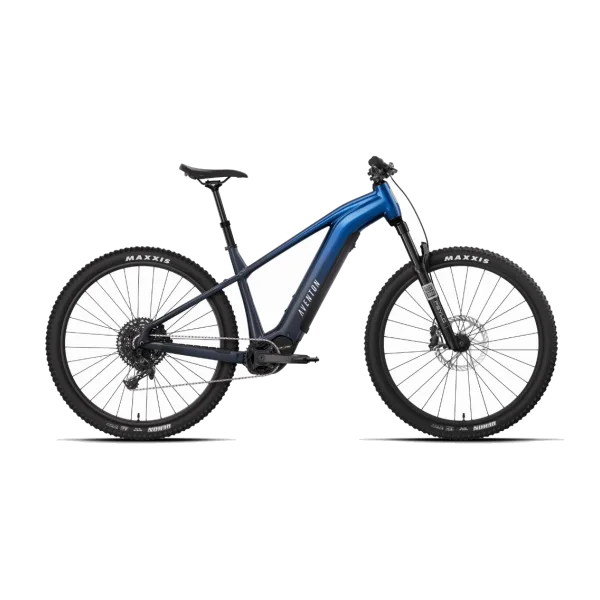
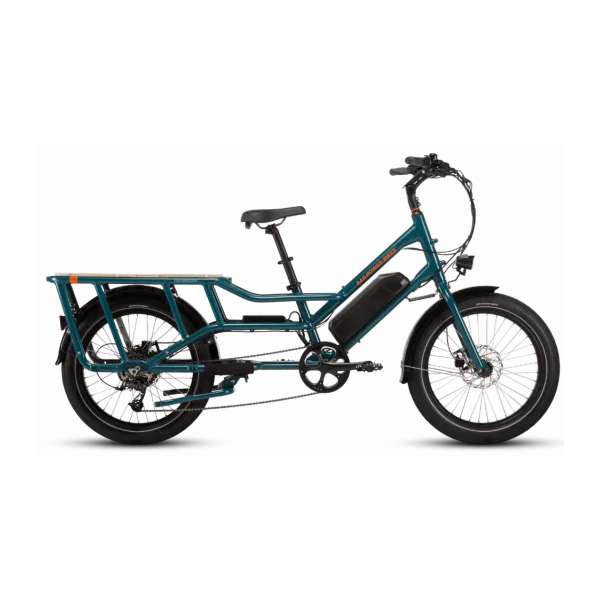
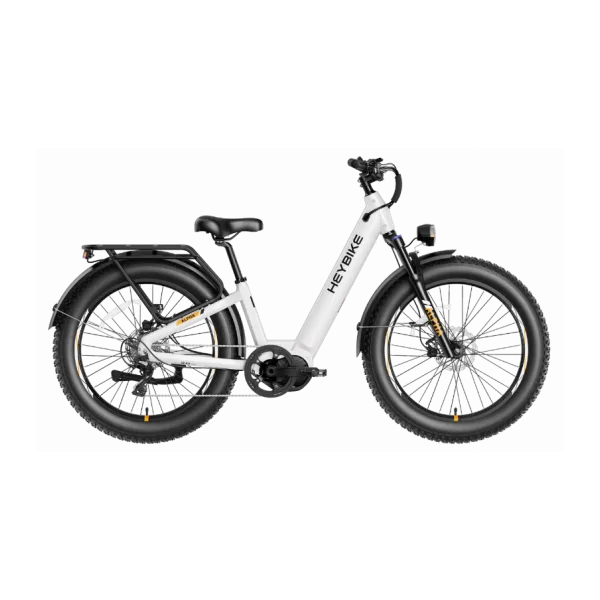
An e-bike battery and a power station are the same technology in a different box, and both are sold on a range figure nobody achieves. We compare them the same way — watt-hours, weight and what the maker publishes.

Read this before you spend
Plain answers, no sales pitch — power stations, solar and e-bikes. Jump straight to whichever one you’re stuck on.
What size power station do I need?
Watt-hours, watts, and the sizing mistake nearly everyone makes first.
Will it run my fridge?
What common appliances actually draw, and how long a battery holds them.
LiFePO4 or lithium-ion?
Cycle life, weight and cost — the chemistry decides how long it lasts.
Battery or a gas generator?
Running cost, noise and fuel, and the cases where gas still wins.
What does whole-house backup cost?
The real number once the transfer switch and the labor are counted in.
How much solar do I need?
Matching panels to a battery, a cabin, or a daily kilowatt-hour figure.
What is plug-in solar?
The category explained, and how it differs from a rooftop system.
How does plug-in solar actually work?
Panel, microinverter, wall outlet — and where the power goes.
Plug-in solar vs. rooftop
An honest comparison, including when you should buy the roof system.
Do I need a permit?
Interconnection rules, utility notification, and what to skip.
Can I do this if I rent?
Landlords, HOAs, and the whole point of plug-in: it moves with you.
How do I lower my electric bill?
The free and cheap wins to take before you spend on hardware.
What e-bike should I buy?
Four decisions, and the first one is arithmetic.
How far will an e-bike really go?
Watt-hours, and why the advertised range figure never happens.
What do e-bike classes mean?
Class 1, 2 and 3 — the speed limits and where each is allowed.
Can I charge one off-grid?
What size power station actually refills an e-bike battery.
More questions we answer
What appliances draw
- How Many Watts Does a TV Use?
- How Many Amps Does a Refrigerator Use?
- How Many Amps Is 1,500 Watts?
- How Many Amps Does a Microwave Use?
- How Many Amps Does a TV Use?
- How Many Watts and Amps Does a Dryer Use?
- How Many Watts and Amps Does an Air Conditioner Use?
- How Many Watts Does a Heat Pump Use?
- How Many Amps Does a Dishwasher Use?
- How Many Amps Does a Washing Machine Use?
- Appliance Wattage Chart
- How Many Amps Does a Mini Fridge Use?
- How Much Electricity Does a Dehumidifier Use?
- How Many Watts Does a Gas Furnace Use?
- How Many Amps Does a Space Heater Use?
- How Many Watts Does a Portable Air Conditioner Use?
- How Many Watts Does a CPAP Machine Use?
Generators and home backup
Batteries, solar and the math
- How to Calculate Watts (With Worked Examples)
- Batteries in Series vs Parallel
- How to Calculate Watt-Hours
- How to Calculate Amp-Hours
- 5000 Watt Solar Generator
- 3000 Watt Solar Generator
- LiFePO4 Batteries for Solar Storage
- On-Grid vs Off-Grid Solar
- How Does a Solar Generator Work?
- DIY Solar Generator
- Mobility Scooter Batteries
- Electric Mopeds
- EcoFlow Delta 2 vs Delta 3
- EcoFlow Delta 3 vs Delta 3 Plus
Who runs The Watt Guide, and how it’s made
The Watt Guide is an independent site run by its founder, David K. We do not test products ourselves. Every guide is researched and drafted with AI tools from manufacturers’ published specifications, list prices and other published sources, and the runtimes on these pages are arithmetic on those figures, shown where they appear. When a figure turns out to be wrong, we correct the page and add a dated note saying what changed. Some links earn us a commission; that never changes the numbers. Our editorial standards and about page say more.
Common questions
Why is the usable capacity lower than the number on the box?
Because the number on the box is raw cell capacity, and getting it out of a wall socket costs you something. The inverter that converts DC to AC runs at roughly 85–90% efficiency, so a 1,000Wh unit realistically delivers 850–900Wh to an appliance. Cold weather and very high draw take a little more. We quote what a unit actually delivers rather than what the box claims — that gap is most of the reason spec-sheet shopping goes wrong. Compare on usable capacity.
Will one run an air conditioner, a space heater or a well pump?
Briefly, and expensively. Two things work against you: heating elements and motors draw far more than a fridge does, and anything with a motor spikes to three to seven times its running draw the moment it starts. A 1,500W space heater will flatten a 2,000Wh station in a little over an hour. For air conditioners and pumps you need to check the surge rating, not just the continuous one. Work out the running watts before you shop — what common appliances actually draw.
How long do these last before the battery wears out?
Longer than most people expect, provided it is LiFePO4. That chemistry is rated for roughly 3,000–6,000 full charge cycles before it falls to 80% of its original capacity — used weekly that is decades, used daily it is roughly 8 to 16 years. Older NMC lithium-ion units manage nearer 500–1,000, which is why we flag the chemistry on every unit we cover. The difference explained.
Is a “solar generator” just a power station with a panel?
Yes — there is no separate technology, only a bundle. That is not automatically a bad deal: buying the pair together is often cheaper than buying them apart, and the connector and voltage are guaranteed to match. But the panel in a bundle is sometimes the cheapest one the brand makes, and undersized for the battery it ships with. We price every bundle against its two parts bought separately. Solar generators.
Do I need an electrician?
Depends which of the three you are buying. A portable power station, no — it is a battery with sockets on it. A plug-in solar kit going into an existing outdoor outlet, generally no either, though that varies with local code. Home battery backup that feeds your existing circuits, yes — the transfer switch or panel interlock is licensed work in most places, and it is the cost people forget when they compare it against a $15,000 installed system.
How far will an electric bike actually go on one charge?
Take the battery in watt-hours and divide by roughly 15 to 25Wh per mile — 15 on the flat at moderate assist, 25 with hills, cargo or a heavier rider, and about 30 at full throttle on a Class 3. A 720Wh pack is therefore a realistic 30–45 miles, not the 80 on the box, which is measured on the lowest assist by a light rider in still air. Watt-hours are the only figure that compares across brands. E-bike batteries explained.
What do e-bike classes actually mean?
Class 1 is pedal-assist to 20mph, Class 2 adds a throttle to the same 20mph, and Class 3 is pedal-assist to 28mph with no throttle above 20. The class decides where you may legally ride — many bike paths and trails allow Class 1 and 2 but not Class 3 — and anything quicker than Class 3 usually stops counting as a bicycle at all. Rules vary by state. The three classes explained.
Can I charge an e-bike from a power station?
Yes, and it is the cleanest overlap between the two halves of this site. An e-bike charger draws about 100–200W, so almost any station will run one; what matters is capacity. A 500Wh bike battery needs roughly 600Wh out of the station once charging losses are counted, so a 1,000Wh unit gives you one full refill and a bit, and a 2,000Wh unit gives you three. Charging off-grid.
How does The Watt Guide make money?
Affiliate commissions when readers buy through our links, at no extra cost to you. It does not decide what we recommend and it does not buy a place in a comparison — we cover brands that pay us nothing, and Bright Saver, a nonprofit that sells at cost with no affiliate program at all, is still the cheapest route into plug-in solar we have found. How we research.
Not sure which size you need?
Start with a head-to-head. We put the major brands side by side on estimated usable capacity, recharge time and cost per watt-hour — the three numbers that decide it.